

S&P 500 and Nasdaq are higher to start the week as U.S. oil wavers, chipmakers rise: Live updates

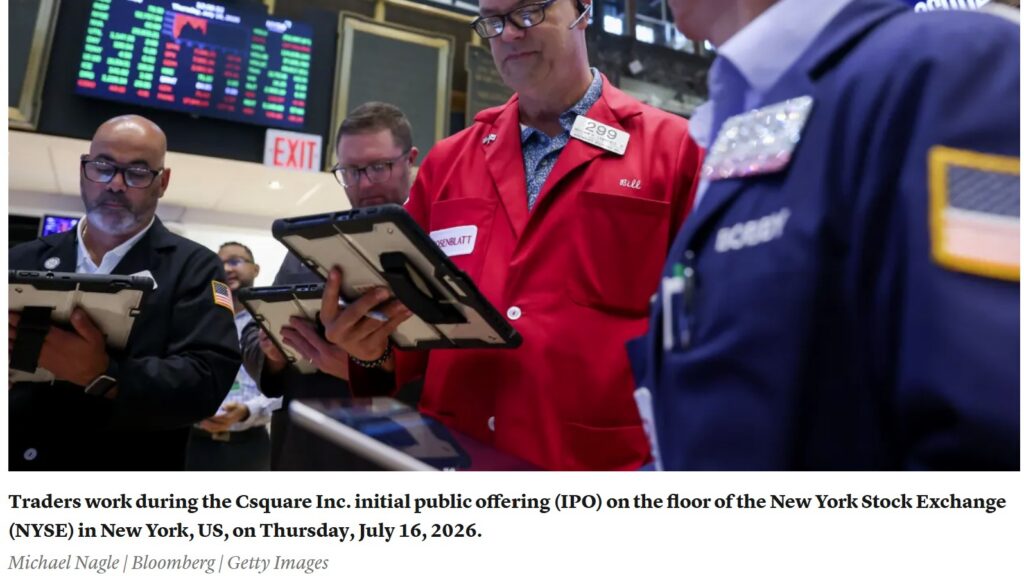
The S&P 500 and Nasdaq Composite rose on Monday as oil prices fluctuated in response to the latest bout of military exchanges between the U.S. and Iran. Chipmakers also traded higher to give U.S. equity markets a boost.
The broad market index advanced 0.3%, while the tech-heavy Nasdaq traded 0.6% higher. The Dow Jones Industrial Average lost 134 points, or 0.3%.
The U.S. completed its ninth consecutive day of strikes on Iran overnight, but investor sentiment improved by midmorning in London after Iranian Foreign Ministry spokesman Esmail Baghaei lifted hopes for a diplomatic settlement.
Baghaei told reporters that intermediaries had continued to exchange messages with Iran amid the latest round of U.S. strikes, and said negotiations between the two adversaries could be pursued based on national interests.
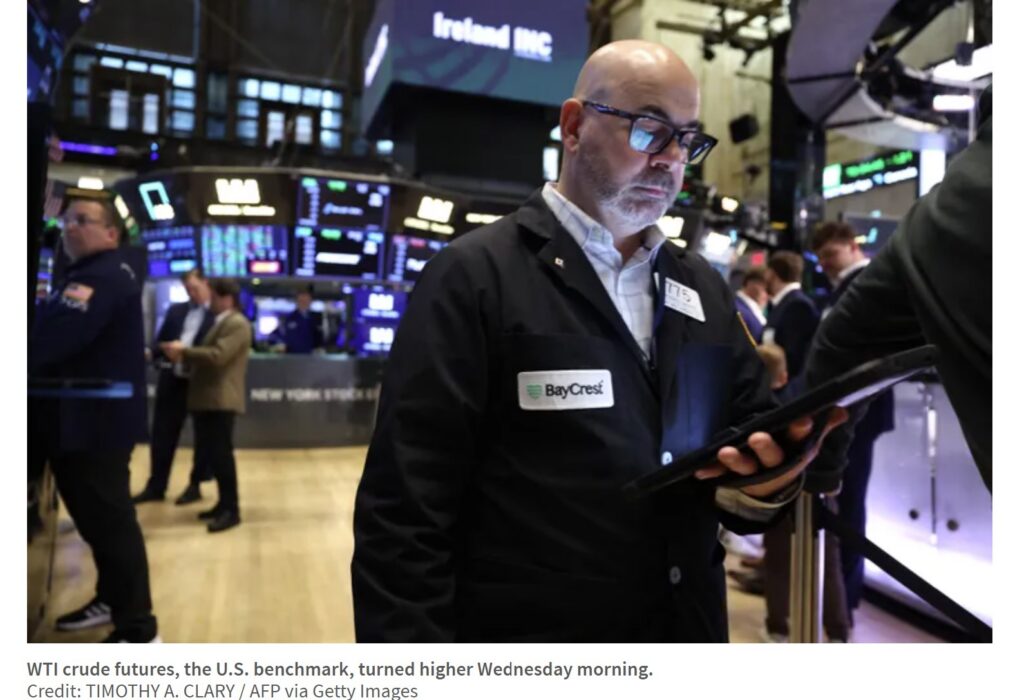
That said, U.S. crude futures were last little changed at around $82 per barrel, reversing an earlier gain. International benchmark Brent also eased from levels seen overnight, trading up marginally at nearly $88.
“Investors still don’t think Trump has the tolerance for a material escalation of the US force posture in the Middle East (i.e. deploying troops) and if that’s the case, then some type of a diplomatic resolution is inevitable,” wrote Adam Crisafulli of Vital Knowledge.
Giving U.S. stocks a bid were chipmakers, as they tried to recover some of their steep losses from last week.
The VanEck Semiconductor ETF (SMH) gained more than 2%. Micron Technology led the advance, climbing around 5%. Astera Labs also gained 5%, while Teradyne rose more than 6%. Advanced Micro Devices rose more than 4%.
“The semiconductor and AI trade is undergoing a healthy reality check,” said Darrell Cronk, president of Wells Fargo Investment Institute and chief investment officer for Wealth and Investment Management. “Recent technical deterioration increases the risk of a deeper pullback toward longer-term support levels, including the 200-day moving averages.”
“While a short-term tactical rebound would not be surprising given oversold conditions, the intermediate-term uptrend has been disrupted,” he added.
The three leading U.S. indexes closed in the red last week, as pressure on chip stocks weighed on sentiment. The SMH saw its third weekly decline in four weeks.



Responses